

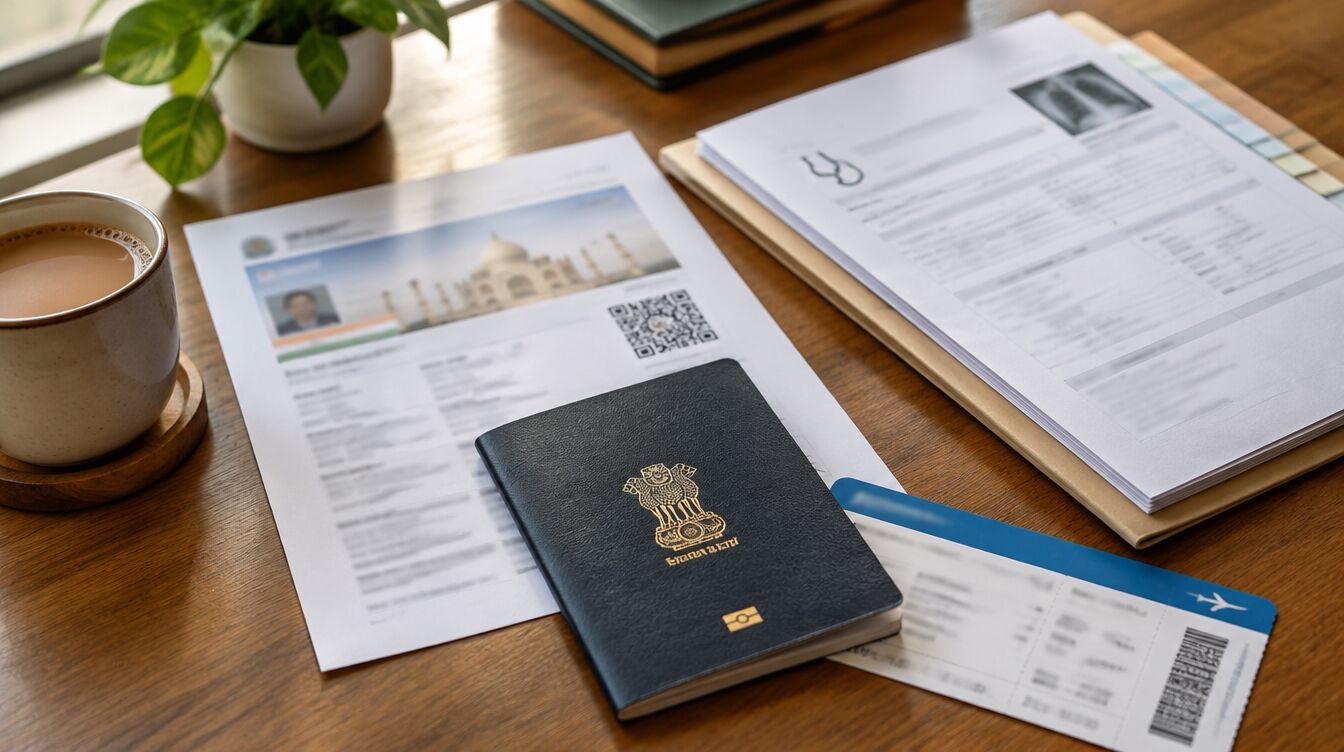
Uzbekistan and Central Asia to India for treatment: visa and language
Planning treatment in India from Uzbekistan or Central Asia? Who can use the e-Medical visa, how it works, attendants, language and when to book flights.
Source market · 12 November 2026
Citizens of Uzbekistan can apply online for India’s e-Medical visa. So can citizens of Kazakhstan, Kyrgyzstan and Tajikistan. Turkmenistan is not on the e-Visa list, so Turkmen patients need a regular Medical visa from an Indian mission. In every case, start with a specialist review of your reports. The hospital letter, the visa and the flights follow from that.
Which Central Asian countries can use India’s e-Medical visa?
India’s official e-Visa portal lists the countries whose citizens can apply online. Uzbekistan, Kazakhstan, Kyrgyzstan and Tajikistan are on it. Russia is too, which helps families who hold Russian passports. Turkmenistan is not on the list at the time of writing.
The list can change. Check it yourself on the day you apply. Use only the official site, indianvisaonline.gov.in. Other sites may look similar but are not the government portal.
How does the e-Medical visa work?
- You apply online at least four days before you arrive, and no more than 120 days ahead.
- You upload a letter from the hospital in India on its letterhead. It should give the date, or the tentative date, of admission.
- The portal lists the e-Medical visa as multiple entry, valid for one year from the date of arrival.
- Your passport should have at least six months’ validity when you apply.
- Your biometrics are taken at immigration when you arrive in India.
An e-Visa cannot be extended or converted to another visa. So the treatment plan should come first. Ask the hospital how long the whole course is likely to take, including follow-up visits.
When should we ask the hospital for the letter?
After the medical review, not before. Send your reports and wait for an early opinion from the specialist. The letter then reflects a real plan. Check every name and passport number in it against the passports, letter by letter.
A review of reports from abroad is an early opinion. It does not replace an examination in person. The treating specialist decides the plan and what else is needed.
What if we are from Turkmenistan?
Turkmen citizens cannot use the e-Visa at the time of writing. They apply for a regular Medical visa through the Indian mission. Check the current requirements with the Embassy of India in Ashgabat before you plan. Allow more time than you would for an e-Visa.
Who can travel with the patient?
Up to two e-Medical Attendant visas are granted against one e-Medical visa. Each attendant applies separately. Choose people who can stay for the whole treatment. At least one should be able to handle the paperwork and speak with the hospital team.
Will anyone at the hospital speak Russian or Uzbek?
Do not assume so. Ask each hospital in writing whether a Russian or Uzbek interpreter is available, at which times, and for which meetings. Consent and discharge matter most. If no interpreter is available, plan for a family member who speaks English to join those meetings.
Ask also whether your reports in Russian or Uzbek can be read as they are, or need an English translation. If translation is needed, do it early. Keep each original with its translation.
When should we book flights?
Book after the visa is granted and the admission date is confirmed. Routes and schedules between Central Asia and Indian cities change, so check current options with the airlines. Keep the return ticket flexible. The treating team decides when it is safe for the patient to fly home.
Our role
IndiaMedica is an independent guide, not a hospital. We do not give medical advice. If a hospital pays us a referral fee, we disclose it, and it never changes your price.
If you are planning treatment in India from Uzbekistan or elsewhere in Central Asia, you can start with a free case review. Send your reports and we will help you prepare the next step.
Related on IndiaMedica
Medical visa for India · Plan your treatment · Free case review
General information, not medical or legal advice. Rules change — always confirm with the official source.
JCI accreditation: what it tells you, and what it does not
JCI accreditation shows a hospital’s safety and quality systems were assessed. What a survey checks, what it cannot tell you and how to confirm it.
RecordsTranslating medical reports for an Indian hospital
Reports not in English? Which ones to translate first, who should translate them, how to prepare the files and what the e-Medical visa asks for.
Source marketSaudi Arabia to India for treatment: visa and planning
Planning treatment in India from Saudi Arabia? The e-Medical visa, the regular visa route via VFS, Iqama holders on other passports and attendants.
Send us your reports. We’ll do the rest.
A case manager reviews your reports, shares them with suitable accredited hospitals and comes back with treatment options, the specialists involved and written estimates — free, with no obligation.