

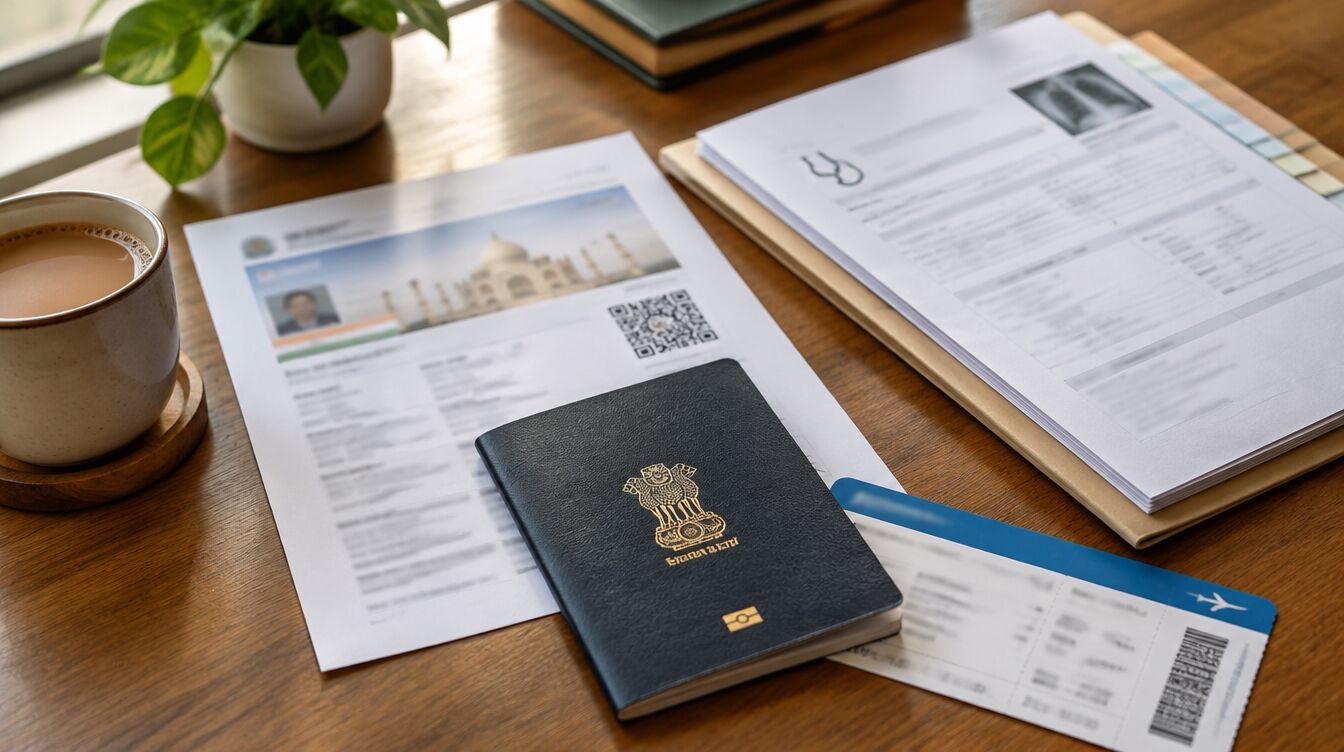
Checklist
Travelling with an older relative goes more smoothly when you start early and plan each step. CDC suggests beginning about four to six weeks before departure. Keep all medicines in hand luggage with extra for delays. Book airport assistance in advance. Bring a clinician’s letter listing conditions and medicines. Choose an attendant who can help with daily care.
Older patients often have more than one condition and take several medicines. Long journeys, new food and unfamiliar rooms can be tiring. A clear plan protects their comfort and dignity. This checklist follows the CDC’s advice for travellers with chronic illnesses and adds steps specific to a hospital stay in India. Whether the patient is fit to travel and fit for treatment is decided by doctors, not by this list.
What should you do four to six weeks before travel?
- Book a pre-travel appointment with the patient’s doctor at home.
- Ask for a letter on letterhead listing conditions, medicines by generic name and dose, allergies and equipment.
- Ask the doctor to agree a medicine schedule that accounts for the time difference.
- Collect a recent ECG and a medicines list to carry on paper and on your phone.
- Check travel health insurance, including cover for existing conditions and age limits.
- Tell the airline about any wheelchair, oxygen or special seating needs.
What should you pack in hand luggage?
- All medicines in original labelled packaging, with enough for the trip and extra days.
- Reading glasses, hearing aids and spare batteries.
- Dentures and a case.
- A light blanket, warm layer and compression stockings if the doctor advises them.
- A copy of the medical summary and the hospital’s address in English.
- Water and simple snacks if the patient’s diet allows.
How do you make airports easier?
- Request wheelchair assistance at booking and confirm it again at check-in.
- Ask for a seat near the aisle and close to the toilet.
- Allow plenty of time for connections.
- Encourage regular drinks of water and gentle movement on long flights if the doctor agrees.
- Arrange a hospital or hotel pick-up on arrival so the patient is not waiting outside.
What daily care should the attendant plan for?
- Learn which help the patient needs with washing, dressing, toilet and meals.
- Remember that airline staff are not required to help with feeding, toilet use or medicines.
- Keep a simple diary of medicines given, meals and any changes you notice.
- Ask the nurses to explain any new medicine before the patient takes it.
- Watch for confusion, falls or not eating and tell the ward team at once.
- Plan rest days between appointments where the schedule allows.
Tip: print this page or save it as a PDF from your browser’s print menu.
Who decides whether an older patient is fit to fly and fit for treatment?
The patient’s doctor at home advises on travel. The treating specialist in India decides whether treatment is suitable and when it is safe to fly home. Airlines make their own final decision on medical clearance. A clinician’s letter supports that process but does not replace the airline’s own forms.
Choose the right attendant
An attendant for an older patient should be able to lift, walk and stay alert through long days. They should also be able to talk calmly with doctors and keep records. Our attendant checklist can help you decide who should go.
Questions people ask
Is there an age limit for medical treatment in India?
There is no general age limit for travelling for treatment. Suitability depends on the patient’s health and the procedure. The treating specialist decides after reviewing reports. Travel insurance may have age limits, so check your policy early.
Should an older patient travel with two attendants?
Some families find two attendants helpful for long stays or for patients who need lifting. The e-Visa portal allows up to two e-Medical Attendant visas per patient. Consider the patient’s needs and the length of stay when you decide.
Sources
- CDC Yellow Book – Travelers with chronic illnesses
- CDC Yellow Book – Travelers with disabilities
- CDC Yellow Book – Travel insurance, travel health insurance and medical evacuation insurance
General information, not medical or legal advice. Rules change: confirm with the official source. How we write and check.