

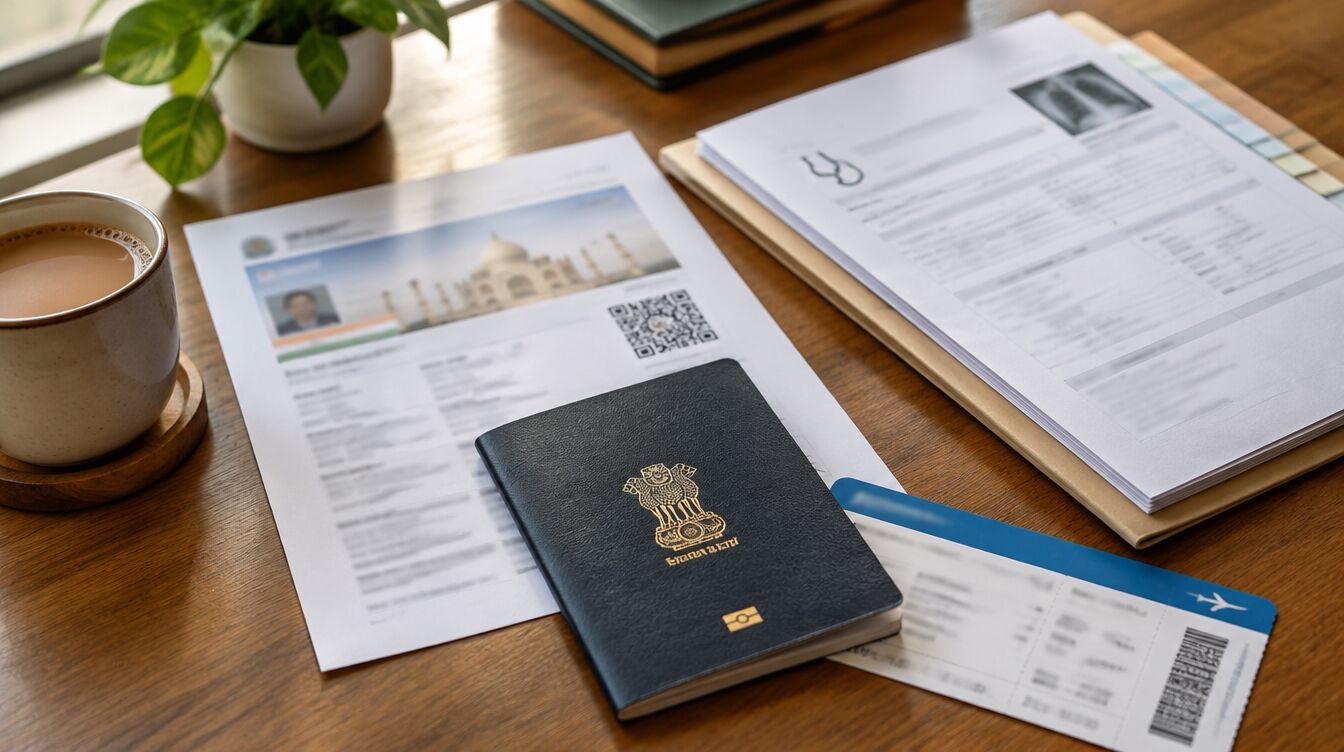
Glossary term · Hospital & care
Informed consent (also: Consent to treatment): Informed consent is a patient’s voluntary permission for a test or treatment, given with capacity after an explanation of its benefits, risks and alternatives.
Informed consent is your permission for a test, treatment or operation, given after a clinician has explained what it involves. The NHS says valid consent must be voluntary and informed, and you must have the capacity to decide. You can withdraw consent before a procedure. Abroad, language and time pressure make this even more important.
What makes consent valid?
- Voluntary: the decision is yours, without pressure from staff, friends or family.
- Informed: you are told what the treatment involves, its benefits and risks, reasonable alternatives and what happens if you do not go ahead.
- Capacity: you can understand the information and use it to decide.
The NHS says consent can be verbal, written or non-verbal. Surgery usually needs a signed form. If you change your mind before a procedure, you are entitled to withdraw consent.
Why does consent need extra care when treated abroad?
- Ask for the consent form in advance, ideally before you travel.
- Ask for a qualified medical interpreter if you are not fluent in the language of the form.
- Make sure the form names the procedure, the operating surgeon and the type of anaesthesia.
- Ask what happens if an unexpected finding arises during surgery.
- Do not sign anything you do not understand.
In India some treatments have specific consent rules. The ART (Regulation) Act 2021 requires written informed consent from everyone seeking assisted reproduction. Living-donor transplants need the donor’s consent and approval by an authorisation committee.
Who answers questions about risks?
Your treating specialist explains risks and alternatives for your case. A facilitator such as IndiaMedica can help you prepare questions and arrange interpretation. We do not advise on medical choices.
Questions people ask
Can a family member sign consent for me?
If you have capacity, the decision is yours. Rules for a person who lacks capacity, or for children, vary. Ask the hospital in India how it handles consent for minors and for patients who cannot decide.
Can I take time to think before signing?
Yes. Valid consent must be voluntary. Ask for the form early, take it away and come back with questions. Hospitals plan surgery dates, but you should never feel rushed into signing on the day.
Sources
General information, not medical or legal advice. Rules change: confirm with the official source. How we write and check.