

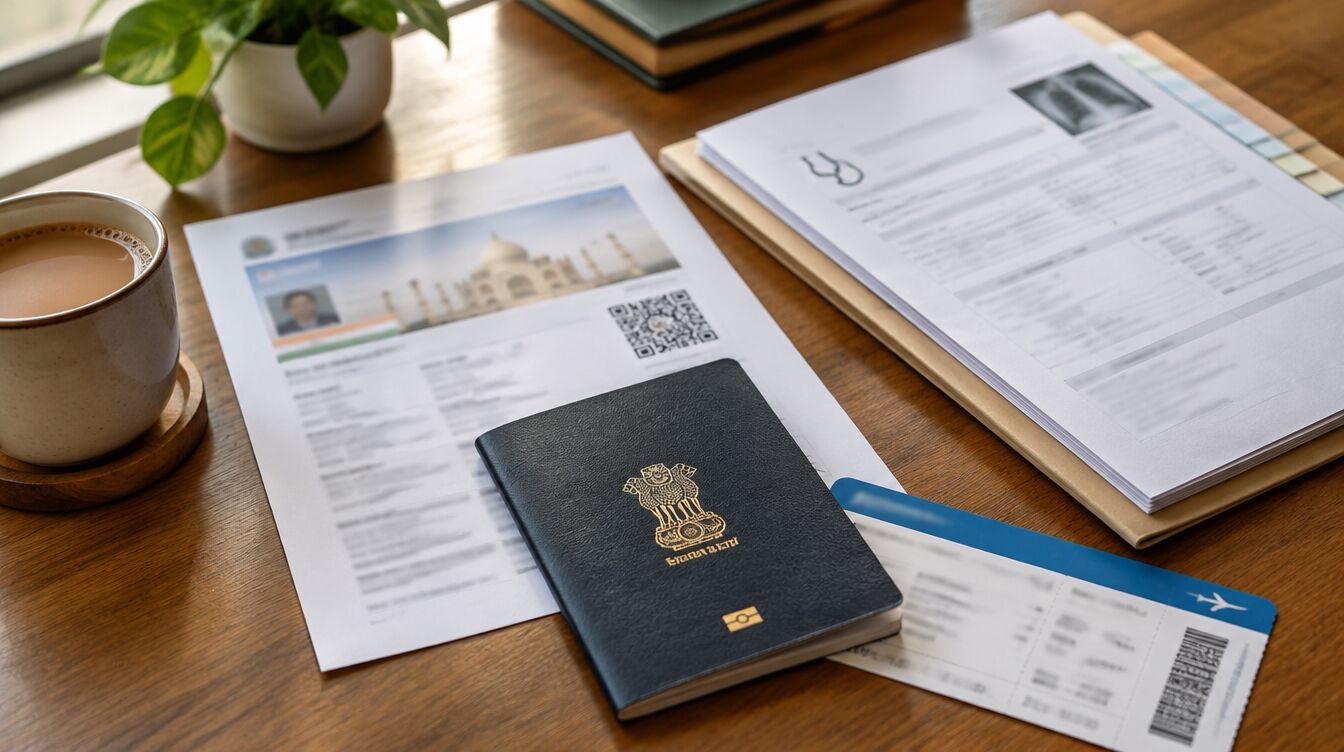
Checklist
For a cancer opinion, send the pathology or biopsy report first, then your scans with images, any biomarker results, operation notes and a clear summary of treatment so far. The National Cancer Institute calls the pathology report the definitive diagnosis. If the reviewing team wants to re-examine the tissue, you may also need to request the slides or blocks.
An oncology team cannot give a useful opinion without knowing exactly what the cancer is, how far it has spread and what has already been tried. The National Cancer Institute explains that a pathology report records the cancer type, grade, margins, lymph node status and often biomarker results. For a second opinion on the pathology itself, patients usually request slides or paraffin blocks from the hospital where the biopsy or surgery was done. Use the list below to build a complete file. Missing pieces are the most common reason an opinion is delayed.
Which pathology documents matter most?
- Biopsy or histopathology report, with the date and the laboratory name.
- Surgical pathology report if you have had an operation to remove the tumour.
- Biomarker, receptor or genetic test results on the tumour.
- Bone marrow or cytology reports, if relevant to your cancer.
- Ask whether the reviewing team wants slides or blocks, and request them early.
Which scans should you send?
- CT, MRI or PET-CT images as download links or DICOM files.
- The written report for each scan.
- The earliest scan that showed the cancer, so change over time can be judged.
- The most recent scan, with its date clearly marked.
- Ultrasound, mammogram or endoscopy reports where they apply.
What treatment history should you include?
- Operation notes and discharge summaries.
- Chemotherapy record: drug names, number of cycles and dates.
- Radiotherapy summary: area treated, dates and total dose if stated.
- Immunotherapy or targeted therapy details and dates.
- Any side effects or reasons treatment was stopped or changed.
- The treatment plan you have been offered at home, if any.
Which general health reports help?
- Recent blood count, kidney function and liver function tests.
- Tumour marker results, if your doctor has measured them.
- A list of other conditions and current medicines.
- Allergies and any past reaction to contrast or chemotherapy.
What should your covering note say?
- Your main question: confirming the diagnosis, choosing a treatment, or both.
- Your current symptoms and how you are managing daily activities.
- Any deadline, such as a treatment start date at home.
- Your preferred language for the written opinion and the teleconsultation.
Tip: print this page or save it as a PDF from your browser’s print menu.
Opinions are not plans
A cancer opinion from reports helps you understand options. The treating oncologist decides the plan after examining you and may request further tests before starting treatment.
Questions people ask
Why might the hospital ask for my slides or blocks?
Pathologists sometimes want to examine the tissue themselves or run further tests on it. The National Cancer Institute notes that patients can request slides or blocks from the pathologist or hospital that handled the sample. Ask the receiving hospital how to send them safely.
Should I send photographs of my scans?
No. Photos of a screen lose detail and cannot be measured. Ask the imaging centre for a download link or a disc with DICOM files. Always include the written report with the images.
What if some reports are not in English?
Send them anyway and say which language they are in. Ask whether the hospital can arrange translation, as it may take longer. A certified translation of key pathology reports can speed up the review.
Sources
- National Cancer Institute: Pathology reports
- National Cancer Institute: Questions to ask your doctor about your diagnosis
- National Cancer Institute: Questions to ask your doctor about treatment
General information, not medical or legal advice. Rules change: confirm with the official source. How we write and check.