

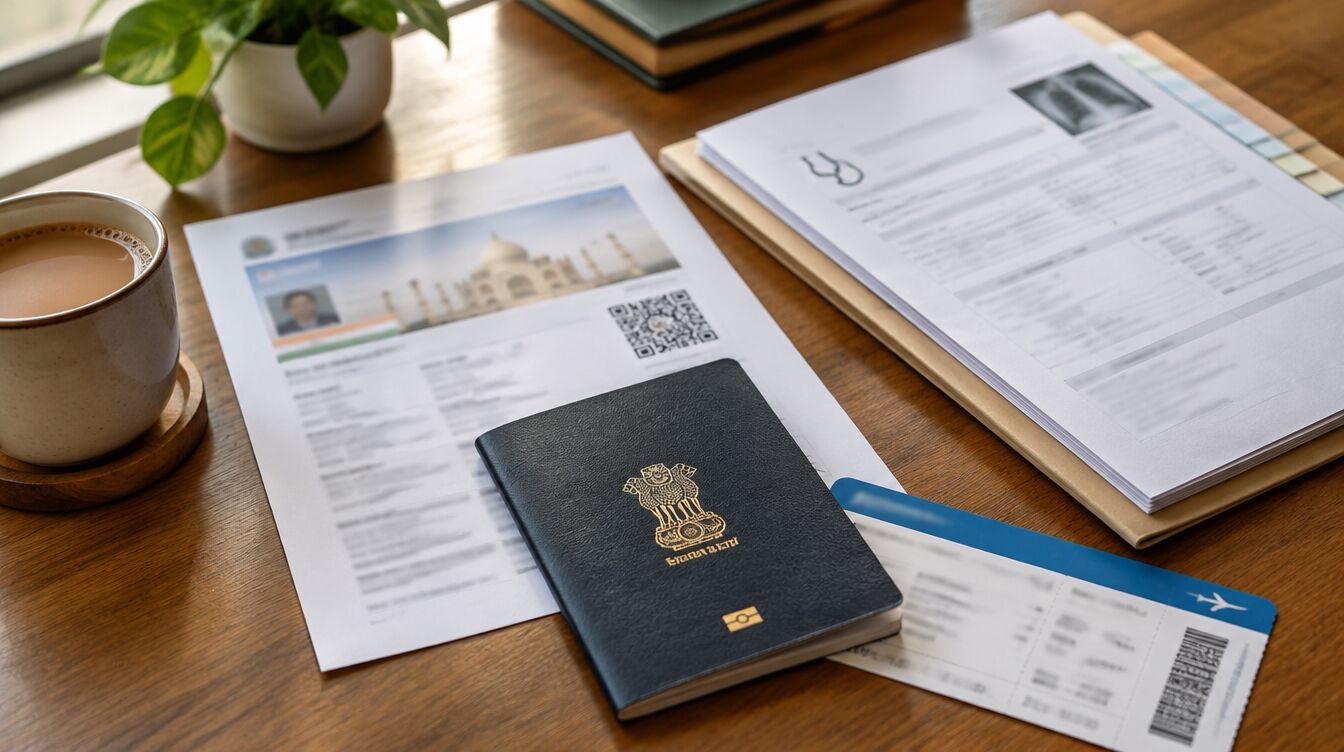
Checklist
A child travelling to India for treatment needs their own passport and their own visa. If one parent travels alone, CDC advises carrying custody papers or a notarised letter of permission from the other parent. Bring the child’s full medical records, an adequate supply of medicines and familiar comforts. The paediatric team decides the treatment plan.
Treating a child abroad is demanding for the whole family. Planning reduces surprises at the airport, at admission and during recovery. The Indian e-Visa portal states that each person needs a separate passport and a separate e-Visa. A child coming for treatment applies for an e-Medical visa with a hospital letter, and parents travelling with them apply as attendants. The portal allows up to two e-Medical Attendant visas against one e-Medical visa. Confirm details on the portal before you apply.
Which documents does the child need?
- The child’s own passport, valid for at least six months from arrival.
- The child’s own e-Medical visa with a hospital letter naming the child, their nationality and passport number.
- e-Medical Attendant visas for the accompanying parents or guardians.
- Custody papers or a notarised permission letter if only one parent is travelling.
- The child’s birth certificate, in case the hospital asks for proof of relationship.
- Copies of all documents stored separately from the originals.
Which medical papers should you bring?
- A referral letter and summary from the child’s doctor at home.
- All reports and scans the treating team asked for, with images on disc or a download link.
- The child’s vaccination record.
- A list of medicines with doses, allergies and any past reactions to anaesthesia.
- The child’s weight and height recorded recently, which doctors often need for dosing.
- Contact details for the child’s doctor at home.
What should you pack for the child?
- An adequate supply of regular medicines in childproof containers kept in hand luggage.
- Familiar snacks, and formula from home if the child uses it.
- A favourite toy, blanket or tablet with downloaded content for long waits.
- Comfortable clothes that are easy to change on a ward.
- Oral rehydration salts, after asking the child’s doctor how to use them.
- Sun protection and insect repellent suitable for the child’s age.
How do you keep the child safe during the stay?
- Put a card with the parent’s Indian phone number and hotel address in the child’s pocket.
- Use safe drinking water for drinks, formula and cleaning bottles.
- Wash hands often, especially after nappy changes.
- Check the hotel room for loose railings, exposed wiring and unsafe balconies.
- Keep children away from stray animals and report any bite or scratch to a doctor at once.
- Ask the hospital whether a parent may stay overnight on the ward.
Tip: print this page or save it as a PDF from your browser’s print menu.
What should you ask the hospital before you book?
Ask whether the hospital has a paediatric ward and paediatric intensive care, and whether a parent can stay at the bedside. Ask who will explain the plan to the child in an age-appropriate way. Ask for the name of the paediatric specialist who will lead care. The specialist decides whether the child is suitable for treatment and when it is safe to fly home.
Consent for a child
Parents or legal guardians sign consent for a child’s treatment. Bring proof of guardianship if you are not the child’s parent. Ask the hospital in advance what it will need.
Questions people ask
Does my baby need a separate e-Visa?
Yes. The Indian e-Visa portal says each traveller needs a separate passport and a separate e-Visa, whatever their age. Apply for the child using the child’s own passport details and the hospital letter that names the child.
Can both parents travel with the child?
The e-Visa portal allows up to two e-Medical Attendant visas against one e-Medical visa, so two parents or guardians can usually accompany one child. Check the current rules on the official portal before applying.
Sources
- Indian e-Visa portal, Government of India
- CDC Yellow Book – Traveling safely with infants and children
General information, not medical or legal advice. Rules change: confirm with the official source. How we write and check.