

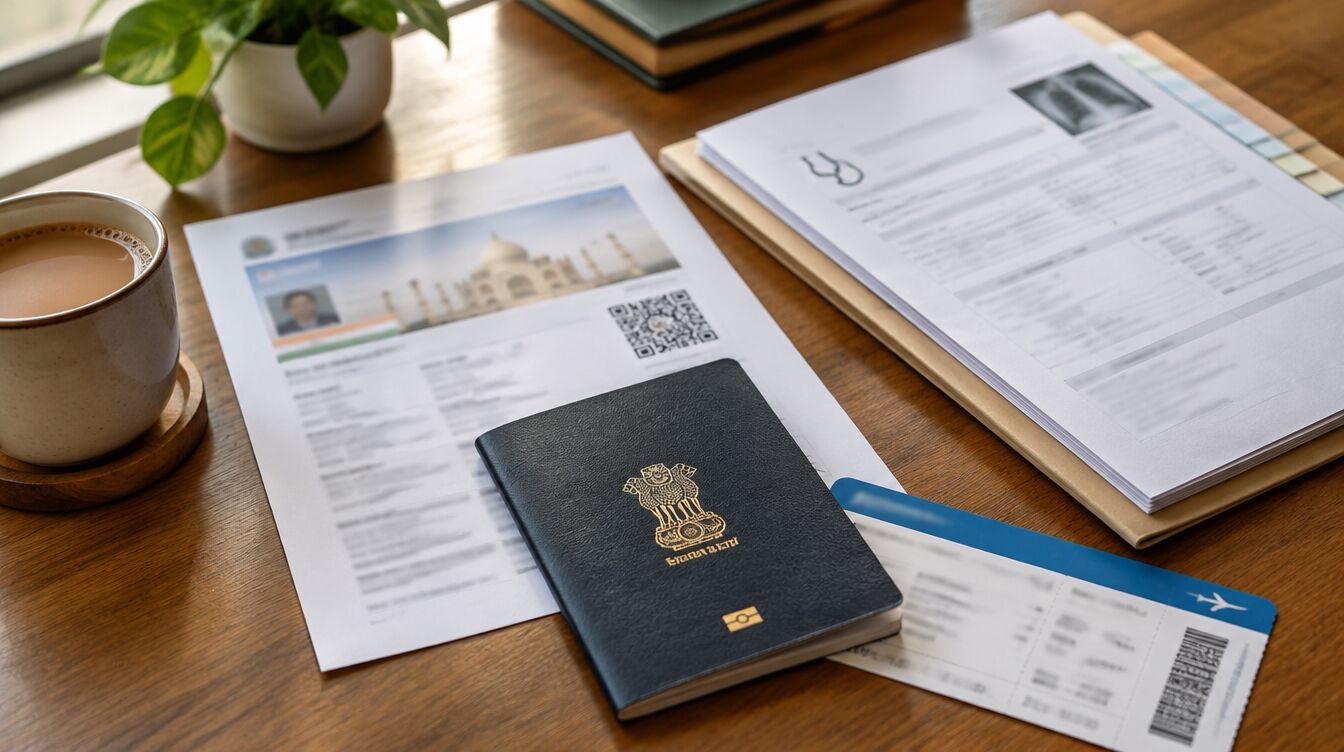
Checklist
Recovering in a hotel goes more smoothly when the room is close to the hospital, easy to move around in and quiet, and when the attendant manages medicines, wound care instructions and follow-up appointments. Avoid activities that slow healing. The CDC warns that alcohol, strenuous exercise, sunbathing, swimming and long tours can delay healing after surgery. Your surgeon decides your discharge plan.
Your surgeon may ask you to stay near the hospital after discharge, so the team can check progress before the flight home. A hotel or serviced apartment becomes a temporary recovery room. That means planning the room, the routine and the contacts before you leave hospital. MedlinePlus publishes clear wound care advice, including the signs that should prompt a call to your doctor. NHS fitfortravel lists simple ways to reduce blood clot risk. Use the checklist below with your discharge summary, and follow your surgeon’s instructions where they differ.
How do you choose the right hotel?
- Close to the hospital, with a short and easy route to follow-up visits.
- A lift, and no steps between the entrance and the room.
- A walk-in shower or a bathroom with grab rails, if you need them.
- Twin beds or space for the attendant to sleep.
- Room service or a kitchen for simple meals.
- Reliable Wi-Fi for teleconsultations.
What should you have before leaving hospital?
- Discharge summary and a written list of medicines with times and doses.
- Wound care instructions, dressings and any supplies you need.
- Date and time of the next follow-up appointment.
- A 24-hour contact number for the treating team.
- Clear instructions on showering, lifting and walking.
How do you manage medicines and wounds?
- Keep a written chart and tick each dose as it is taken.
- Wash hands before touching a dressing.
- Change dressings only as instructed, and never reuse one.
- Do not apply creams or home remedies to a wound unless the team approves.
- Keep the medicines and dressings in one place, away from sunlight.
What should a daily routine include?
- Short walks in the room or corridor as your team advises, to reduce clot risk.
- Regular drinks of water unless you have been told to limit fluids.
- Simple meals that suit any diet the hospital recommended.
- Rest periods without visitors.
- No alcohol, swimming, sunbathing or sightseeing until your surgeon agrees.
When should you call the treating team?
- More redness, pain, swelling or bleeding at the wound.
- Thick, coloured or bad-smelling discharge from the wound.
- A temperature of 38°C or higher.
- Pain or swelling in a leg, or sudden breathlessness.
- Any symptom your discharge papers list as a warning sign.
Tip: print this page or save it as a PDF from your browser’s print menu.
Emergencies cannot wait
Sudden chest pain, severe breathlessness, heavy bleeding or collapse needs emergency help at once. Call the hospital’s emergency number and tell your case manager as soon as you can.
Questions people ask
Why stay near the hospital after discharge?
It lets the treating team check your wound and progress before you travel and act quickly if a problem appears. Your surgeon decides how long you should stay nearby. Book the hotel with flexible dates in case the plan changes.
Can I go sightseeing while I recover?
Ask your surgeon first. The CDC notes that long tours, strenuous exercise, swimming, sunbathing and alcohol can delay healing. Short gentle walks are often encouraged, but the team will tell you what is safe for you.
Can the hotel help with medical needs?
Hotels are not medical facilities. If you need nursing help, ask the hospital to arrange a visiting nurse. Keep the treating team’s number and the nearest emergency department address with you.
Sources
- MedlinePlus: Surgical wound care
- NHS fitfortravel: Deep vein thrombosis
- CDC Yellow Book: Medical Tourism
General information, not medical or legal advice. Rules change: confirm with the official source. How we write and check.